
99 Luftballons
June 2020
Hand-drawn paper cut-out music video animation of NENA’s 1983 hit song “99 Luftballons”
Tools: Adobe AfterEffects
Cicatrix
January 2018
This piece features three football players who have sustained an injury while playing football. Broken Collar Bone, Torn ACL and Meniscus and Dislocated Finger.
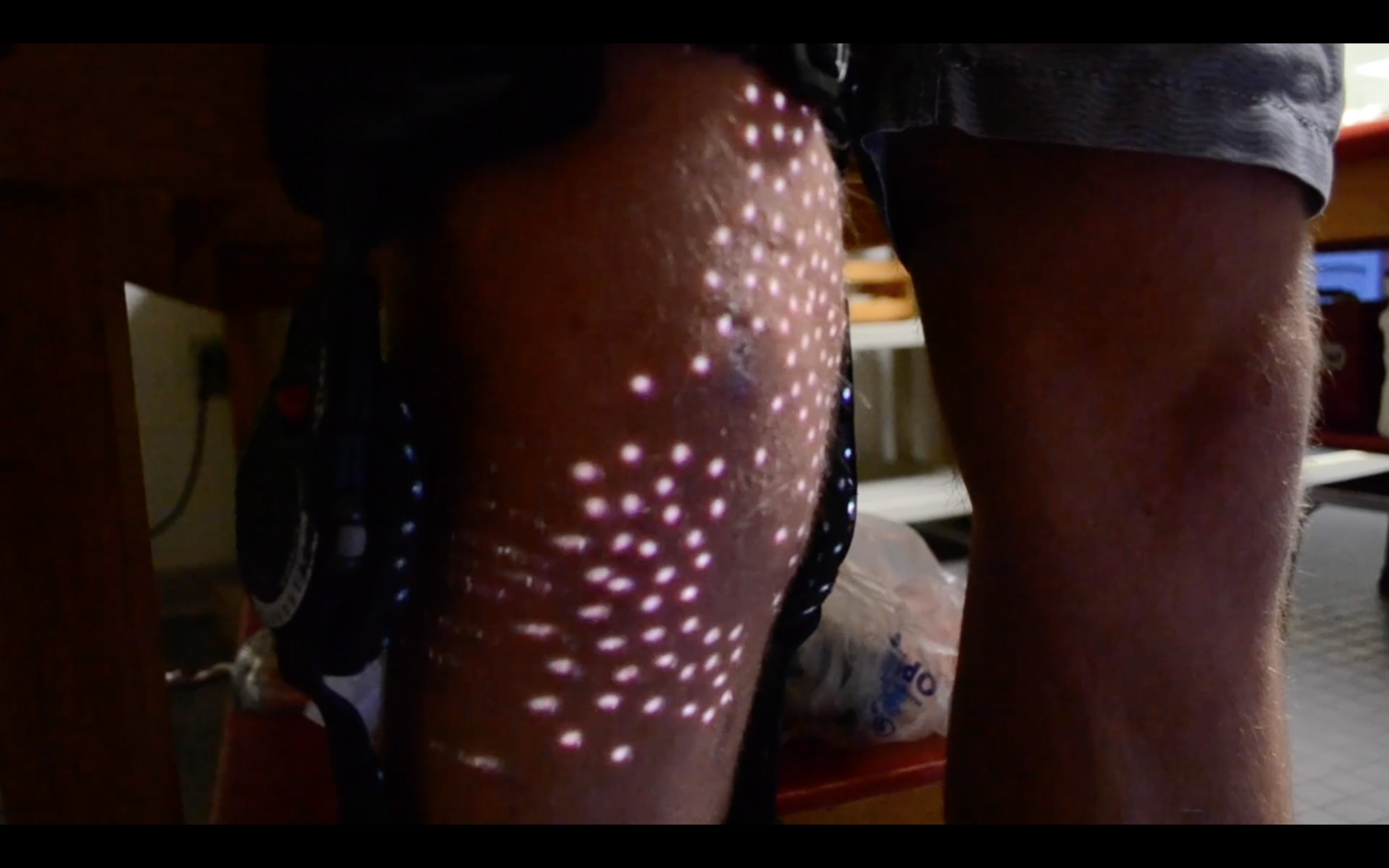
This is a visual representation of the cells in the body to create the feeling of repair and healing. It is filmed in the athletic training room at CMU. The training room is where the injured players featured in this piece have done their physical therapy to help the healing process. The training room is also where each of them went to get immediate care after getting injured on the football field.
This piece was inspired by the player with the torn ACL/meniscus. Hearing about the different processes that went into the operations on his knee, I became interested in the body itself. How after an operation, it is the body’s job to complete the reparation. Extensive physical therapy heals the injured area. It was also explained to me that the more pain you put yourself through in physical therapy, the faster the body will be able to heal itself. This is why I decided to create a "cellular healing" code and project it onto the scars of these injured players.
Beginning this project thinking about empathy, I focused on the torn ACL/ meniscus. Using the "flocking code" and altering the code with a noise function on many of different variables within the code, I created a “cellular” movement.
Tools: p5.js (open-source JavaScript), Premiere Pro


Repairable
October 2017
An interview with a representative from each varsity sport, who has had an injury while at Carnegie Mellon. In this film each athlete gives his/her perspective on what it means to be a student-athlete with an injury.
This piece was also featured in "The Tartan", the universities news paper.
Tools: Premiere Pro


To Play Football
September 2017
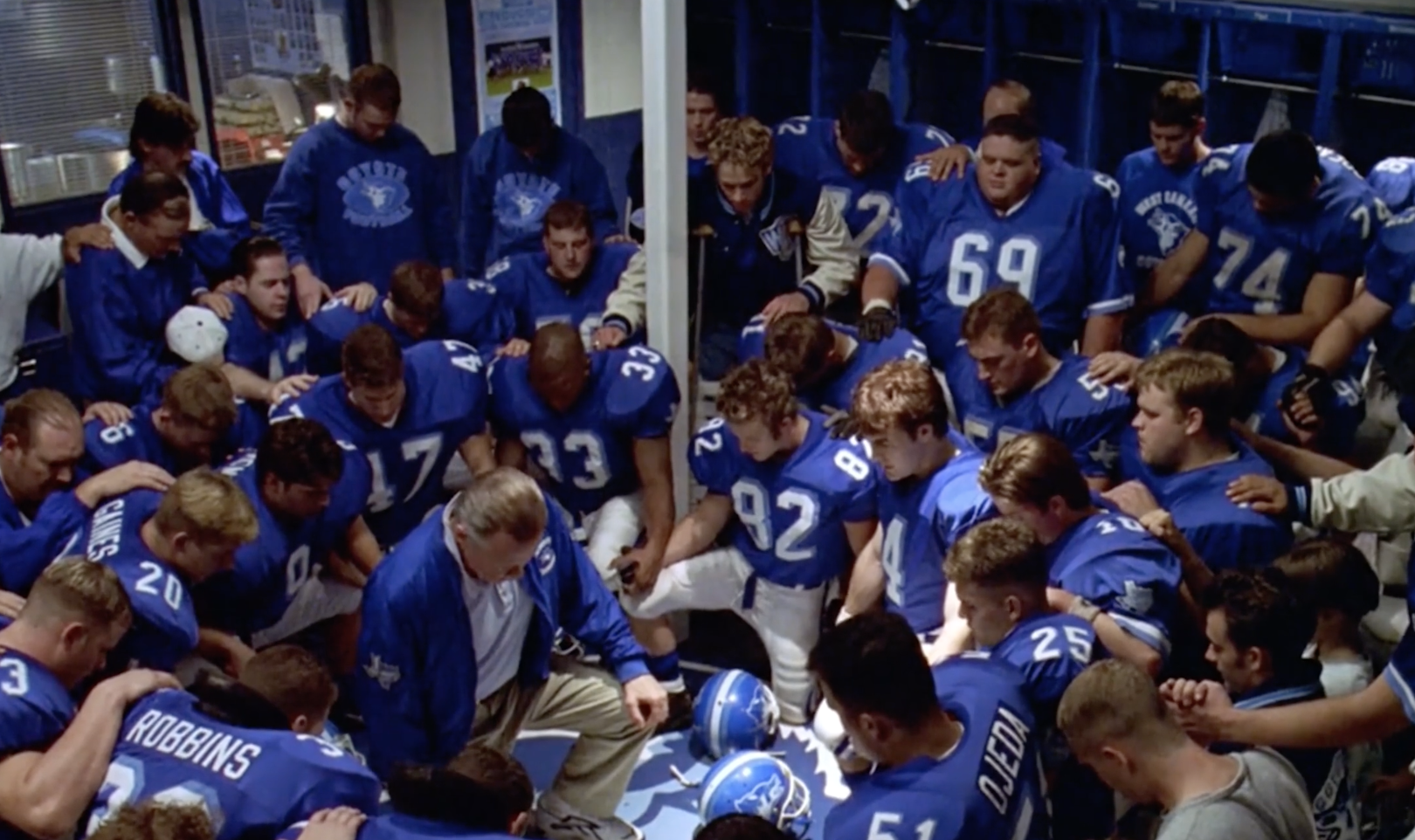
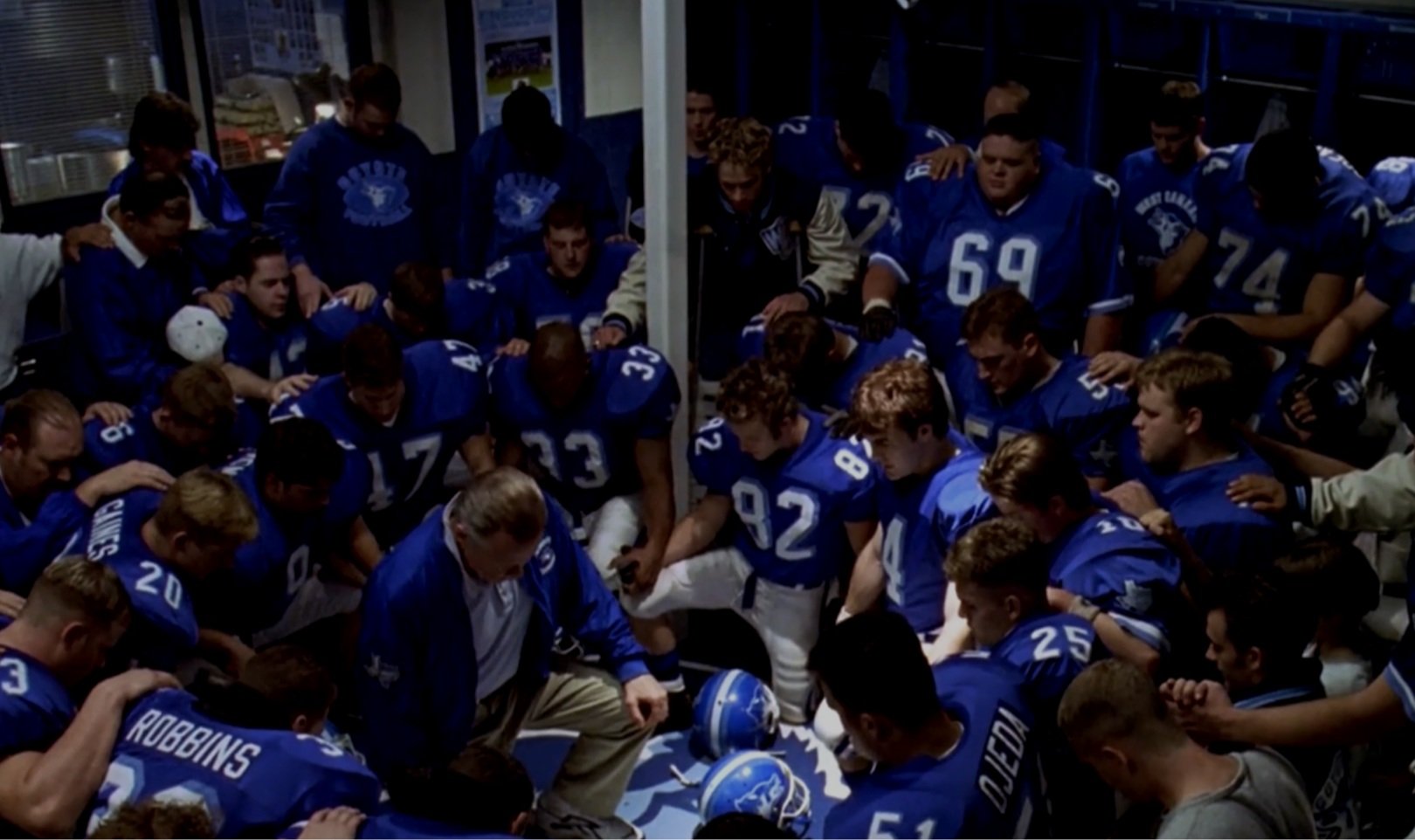
“To Play Football” is a remix that includes five well-known football films (ranked by fans and critics): “Remember the Titans”, “Friday Night Lights”, “Rudy”, “Varsity Blues” and “When the Game Stands Tall”. These movies are predominantly set in American high schools, portraying characters and events common in many communities. I drew inspiration from Christian Marclay’s pieces, “The Clock” and “Telephones”, two of the most influential American remix works. In “Telephone” Marclay stitches together scenes of characters in popular films to create the narrative arc of a telephone call. In “To Play Football”, I similarly created a narrative of rituals across five football films, by selecting reoccurring scenes of speeches and action dealing with the American ideal of sport.
My process for making this piece was similar to that of Marclay’s piece “The Clock”. Marclay had a team go through thousands of movies and extract scenes that had the time showing. He then pieced them together, making an accurate 24hr clock. I watched, selected and extracted recurring scenes from multiple highly ranked football movies. I edited the scenes together so that scenes from each movie were interwoven so that they fit chronologically in terms of the beginning, middle, and end of a football film. I was inspired by Marclay’s remix works because I am interested in commenting on current cultural content by creating original works. For my piece, I wanted to reveal cultural aspects of these popular football films, and to do this it was necessary for me to modify/ remix the original movies.
This piece is a commentary on the reification of football culture in American society as portrayed in popular film. It is also a commentary on major themes and what is “essential” in making a popular sport movie. The foci in this piece are the pressures and conflicts that the characters experience, and the “rituals” repeated in the films to motivate and encourage the characters to persevere. A mentor figure appears in each film, as a guide to the coming of age of the athletes. There are also repeated actions such as the team huddle, the locker room talk, and prayer. Having rituals from the different films edited together to create repetitive speeches, pushes the viewer to consider how genre movies create a standard of what reality is or should be like.“To Play Football” creates a discussion regarding how Americans idolize sport, while also exploring the themes of perseverance and the meaning of success.
Tools: Premiere Pro
North Lawndale
May 2016
Viewers choice in the Chicagoland High School Film Festival 2016.
Tools: Final Cut Pro